

The history
of the Vikings
The Vikings were not only feared warriors but also skilled traders and artisans. Their travels and settlements stretched across large parts of Europe and beyond, and their mythology and culture have left lasting marks on our society and cultural heritage.
The Viking Age
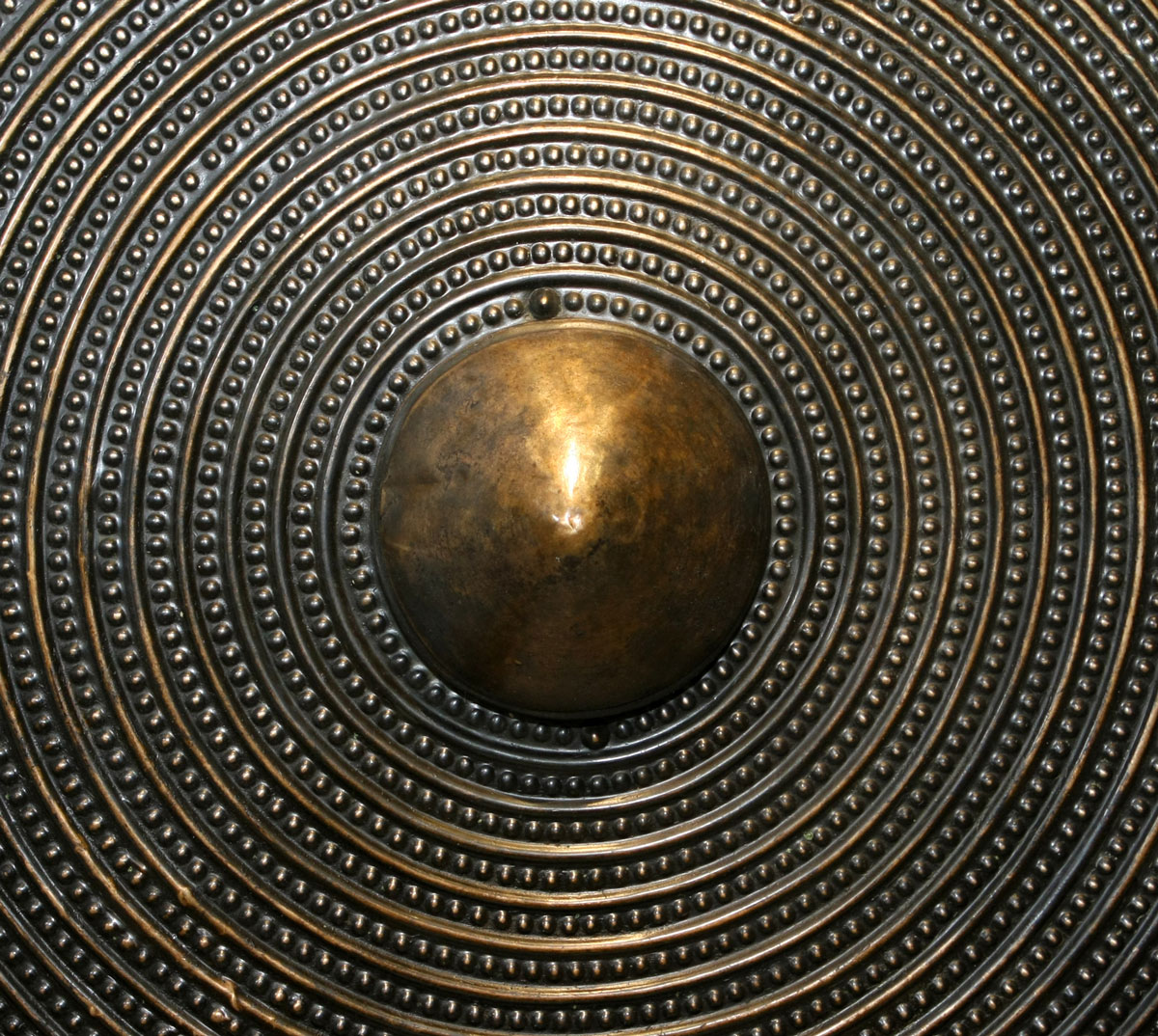
The Viking Age covers the period from around AD 800 to AD 1050. The term “Viking” was originally used to describe seafaring warriors and raiders who set out on expeditions by sea. The word “Viking” was not used as an ethnic label during the Viking Age itself; the meaning we use today developed later through historical research, especially during the Romantic era of the 19th century.
The Viking Age was marked by both conquest and trade. During this time, the Vikings conquered large parts of England and France, and they carried out several well-known raids and invasions, including the siege of Paris in 845 and the conquest of England in the early 11th century.
Viking trade expeditions
The Vikings were skilled merchants and traders, not just warriors. They traded a wide range of goods, including luxury items such as silk and precious metals, which were brought to Scandinavia through their trading connections with Arab merchants and the Byzantine Empire. Their trading routes extended into areas of present-day Russia, where they established a network of trading posts along rivers such as the Volga and the Dnieper.
The Vikings also traded with the Frankish Empire and the Byzantine Empire. Their trade included many of the goods mentioned above, such as slaves, amber, wood tar, and ceramics. You also mentioned millstones from the Rhineland, which is historically accurate, as the Vikings did indeed trade for millstones from the German regions.
Viking art and craftsmanship
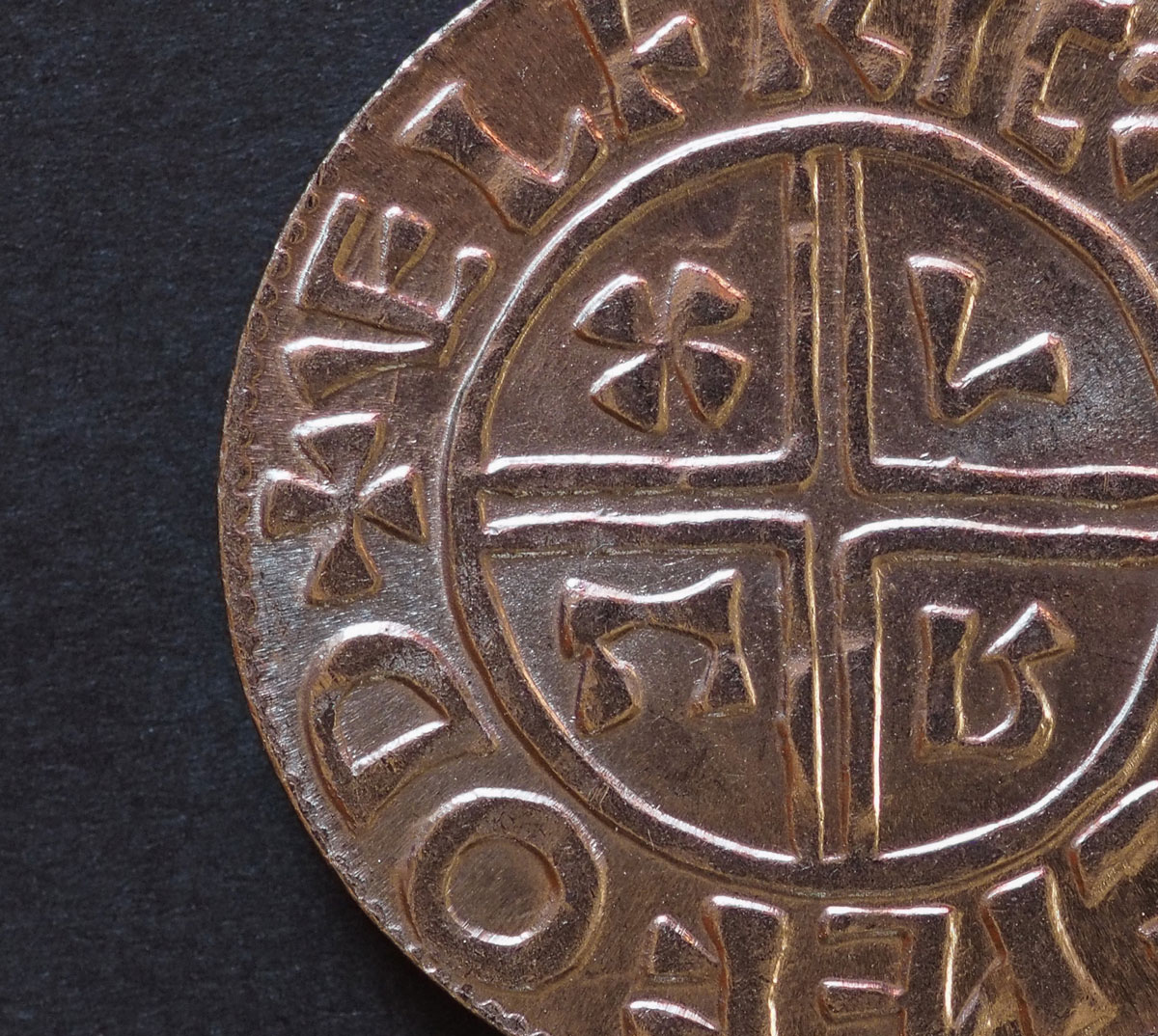
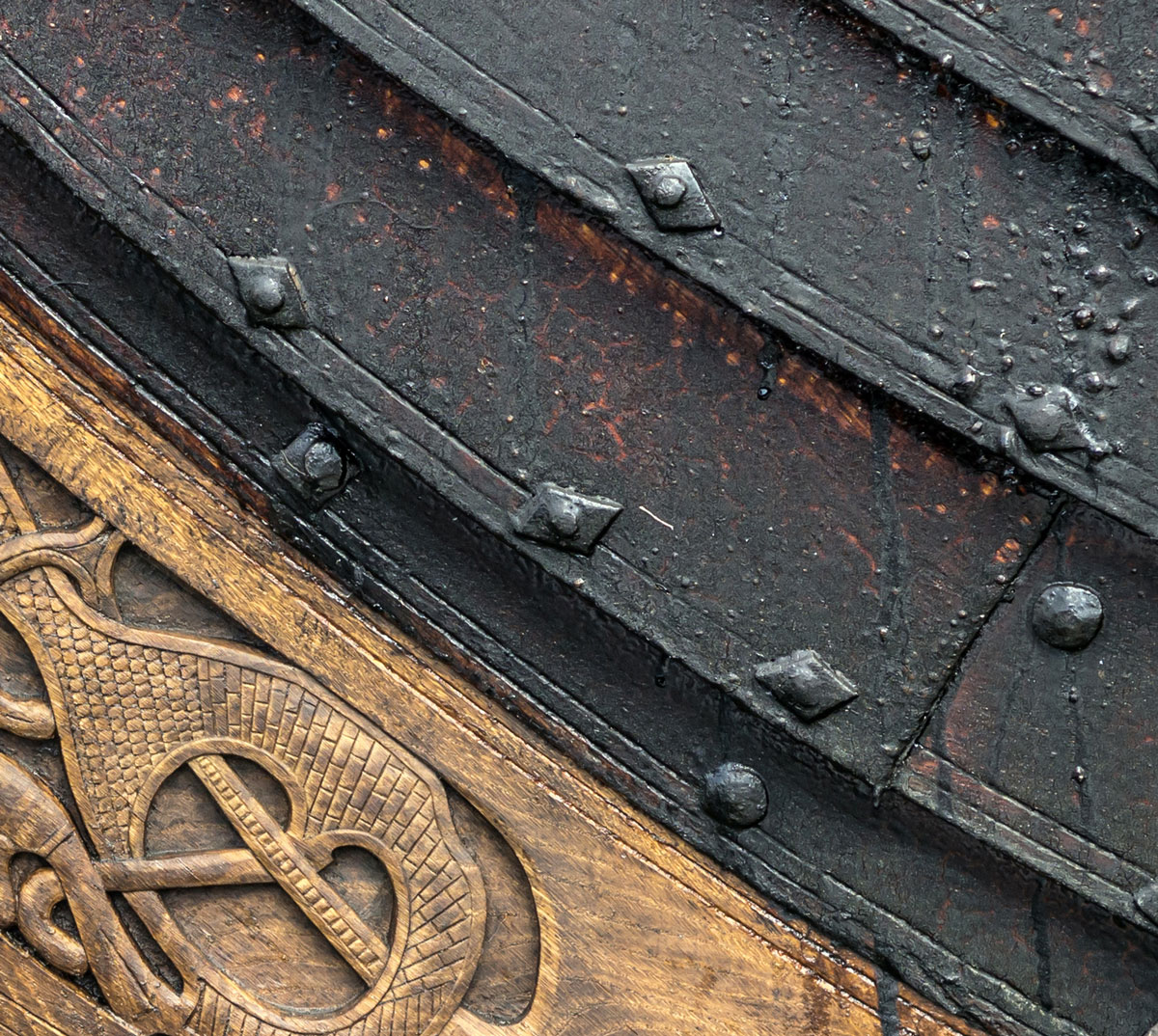
Viking art was both lively and imaginative. Their expression was distinctly Nordic and rich in detail. This applied not only to visual art, but also to their poetry and ornamentation. Their artistic style was characterized by contrast and movement, and they created intricate works that could be difficult to perceive with the naked eye, paying great attention to detail in functional objects such as weapons, ships, and jewelry.
Their artworks also reflected their culture and beliefs, where elements such as nature, gods, and mythology played a central role. They often used symbols and patterns with deep meaning, such as runes and animal motifs, which held both practical and spiritual significance. Their ability to combine form and function made their creations both aesthetically appealing and practical, demonstrating a sophisticated craftsmanship tradition that continues to inspire today.*
The Viking Raids
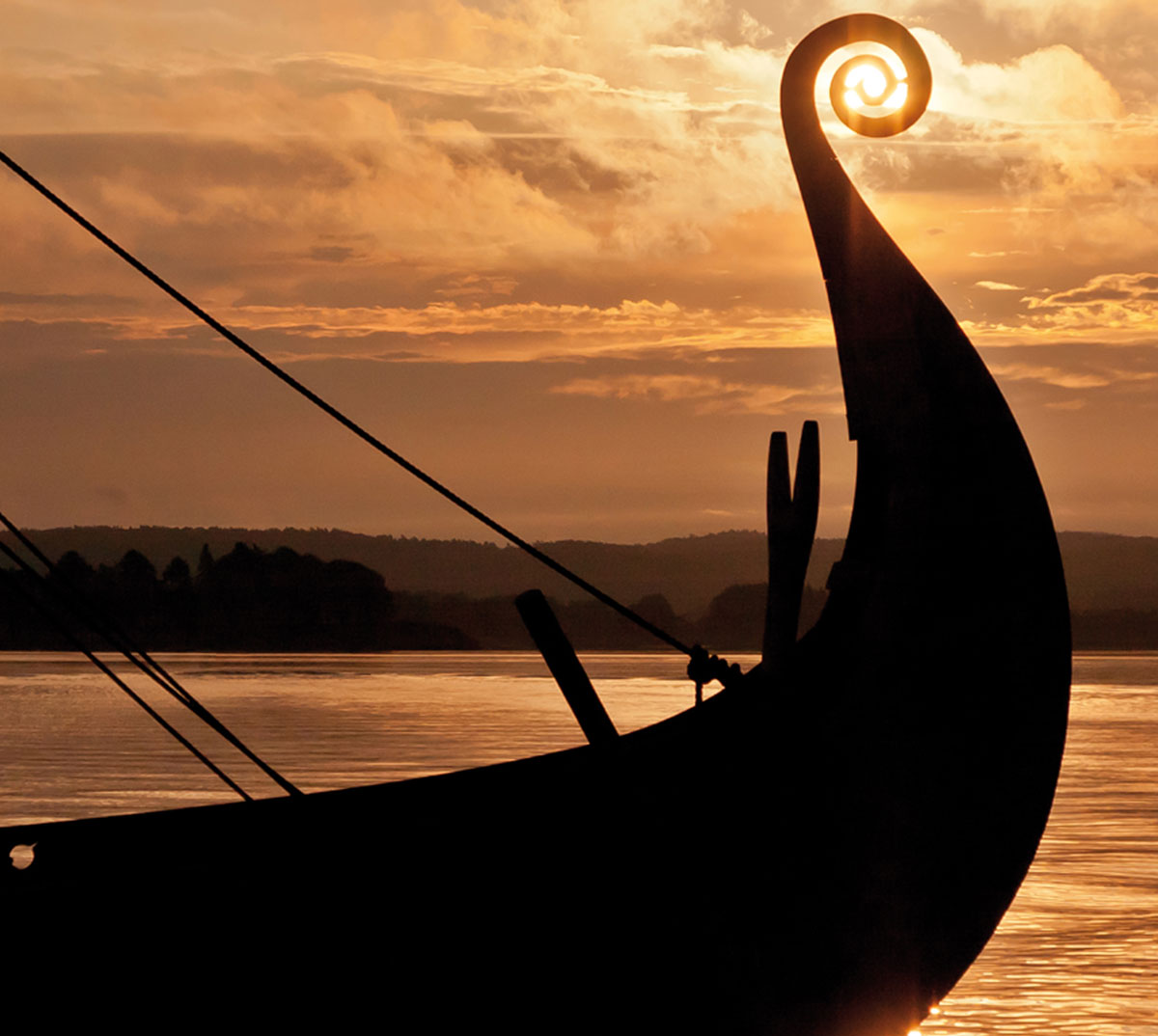
The Viking raids began in the late 8th century, with the first major Viking attack taking place in 793 at the monastery of Lindisfarne. This event is often considered the beginning of the Viking Age in Britain. The Vikings carried out raids across Europe, and their famous longships enabled them to plunder, trade, and settle in distant regions. The longships were fast and agile, allowing the Vikings to strike coastal towns quickly and effectively.
The raids served several purposes: to conquer land, trade, and acquire wealth, but they were also driven by a desire to expand their influence and obtain valuable resources. The Vikings established trade routes and settlements in places such as Normandy, Ireland, and Russia, which had a significant impact on both their own culture and the European Middle Ages.

Shield-maidens and Valkyries
Shield-maidens, or Valkyries, are mythological figures from Norse belief. According to the legends, they were daughters of Odin, and their task was to choose which warriors would fall in battle and lead them to Valhalla.
The Valkyries were often described as strong and courageous women, symbolizing both martial skill and beauty. Historically, there is no concrete evidence that women in the Viking Age generally fought in battles to the same extent as the mythological Valkyries, but it is possible that a few women did take part as warriors.
Shield-maidens have also gained a prominent role in later literature and popular culture, where they are often portrayed as powerful warrior women with significant influence.
The world of Viking gods.
The Vikings worshipped a number of gods, each with their own unique powers and symbolism. At the top of the hierarchy stood Odin, the god of war, aided by his two ravens, Huginn and Muninn, who flew across the world and brought him knowledge.
Thor, the most popular of the gods, was both a god of war and fertility, and his hammer, Mjölnir, could create lightning and thunder. Freyr, the god of fertility, and his twin sister Freyja, the goddess of love and magic, were also among the most well-known deities.

The Vikings originated in Denmark, Sweden, and Norway, and they went on to establish settlements in Russia, Finland, the Baltic countries, Normandy (France), England, Ireland, the Faroe Islands, Iceland, Greenland, and even as far as North America.